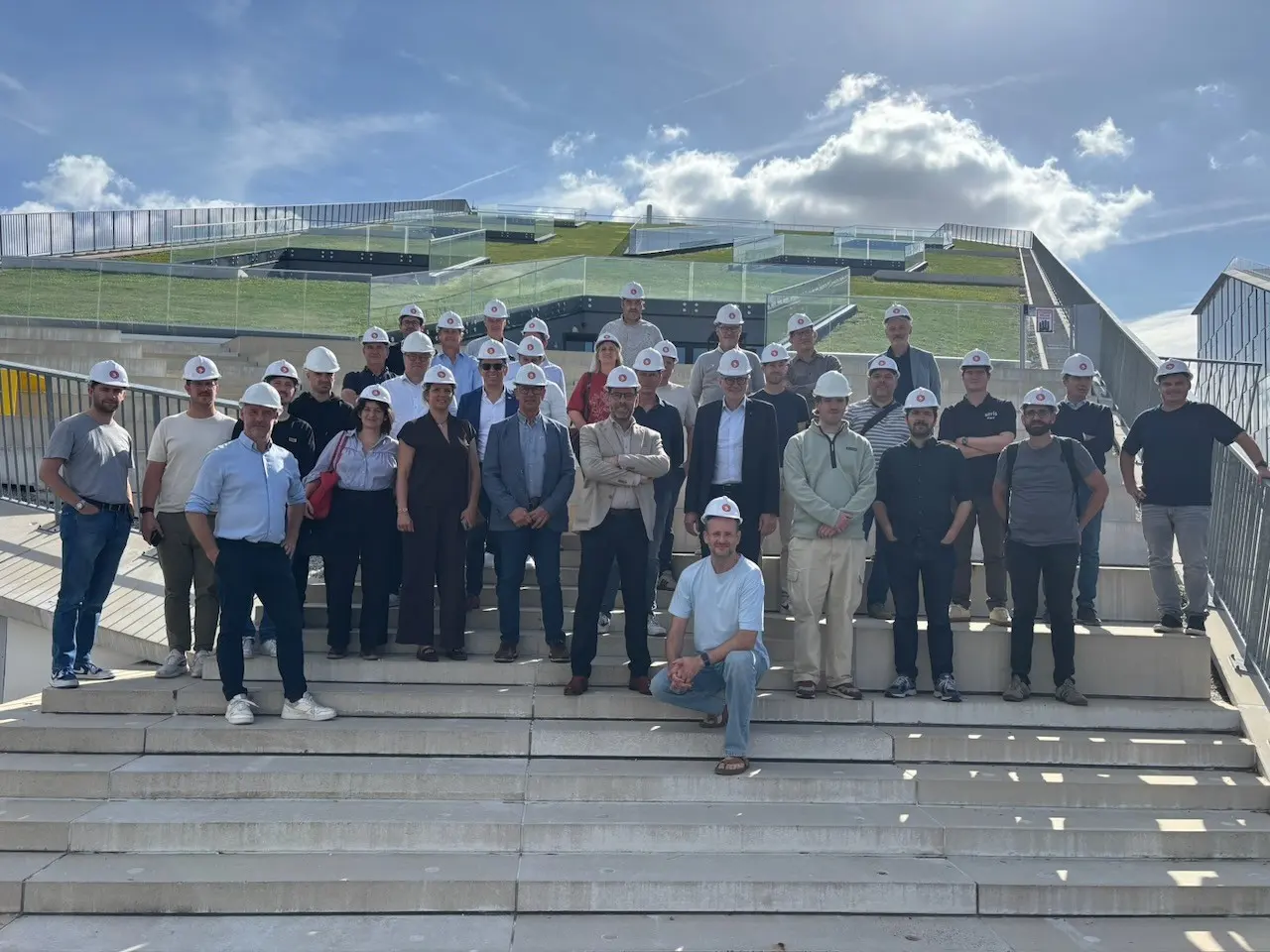
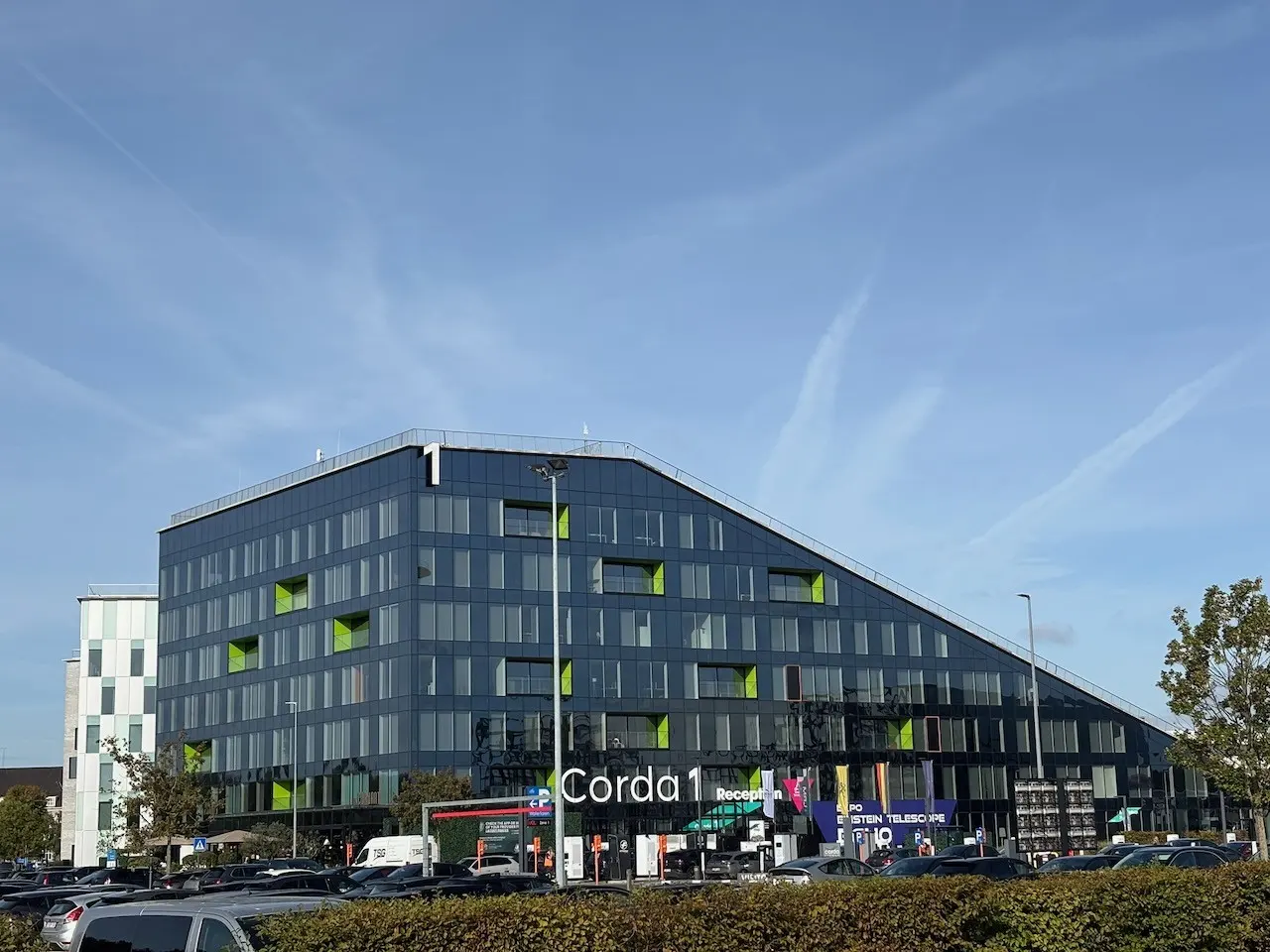
On Thursday 24 September 2026 the PRINTELLIGENCE steering group met for the second time, this time at the Corda Campus in Hasselt. A printing company learned a lot from twenty years of operator notes. We also saw how to run AI at your own company without your data leaving the building.
The programme in brief
| 12.30 | Welcome with sandwiches |
| 13.00 | Welcome by VIGC |
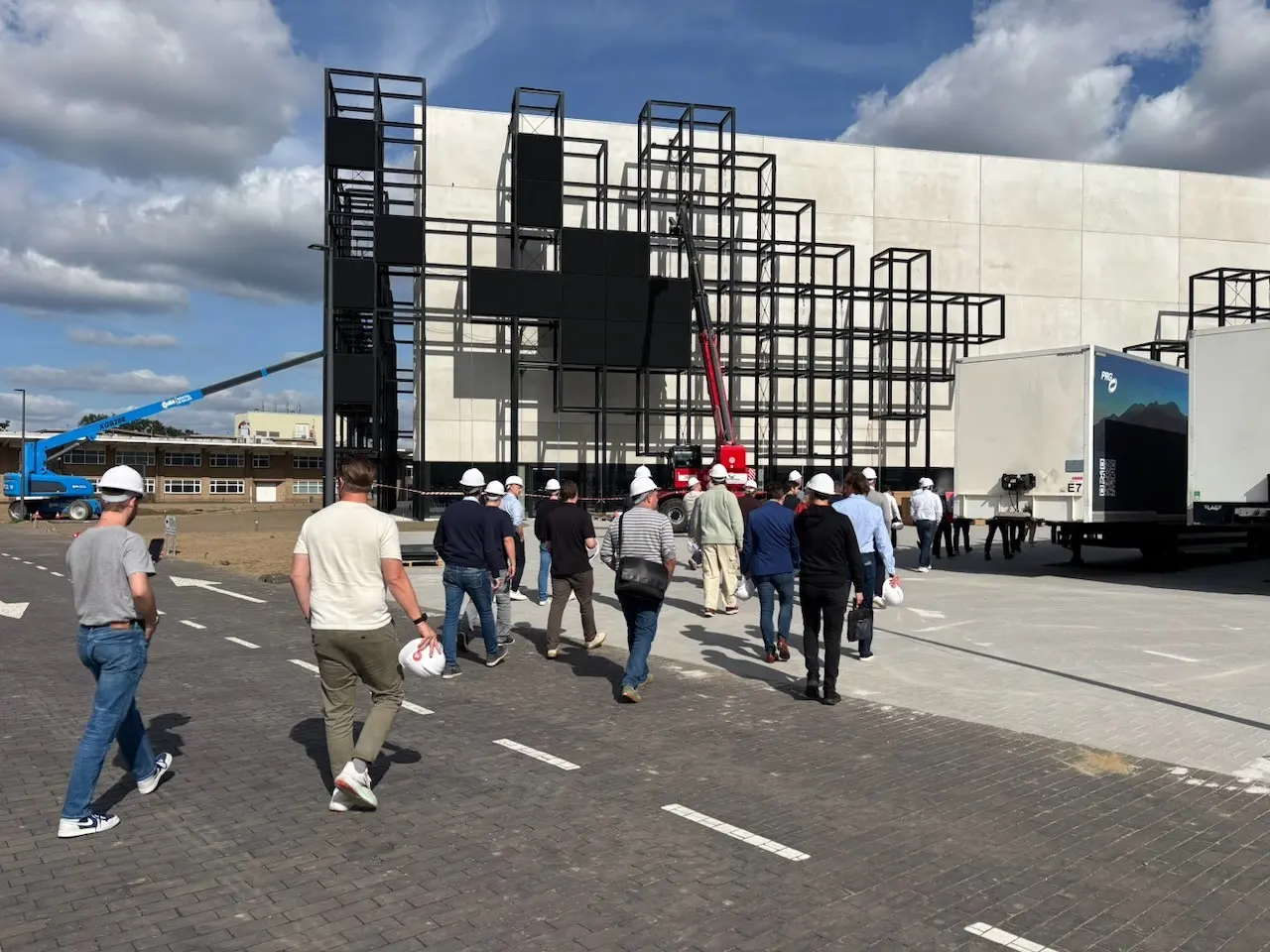
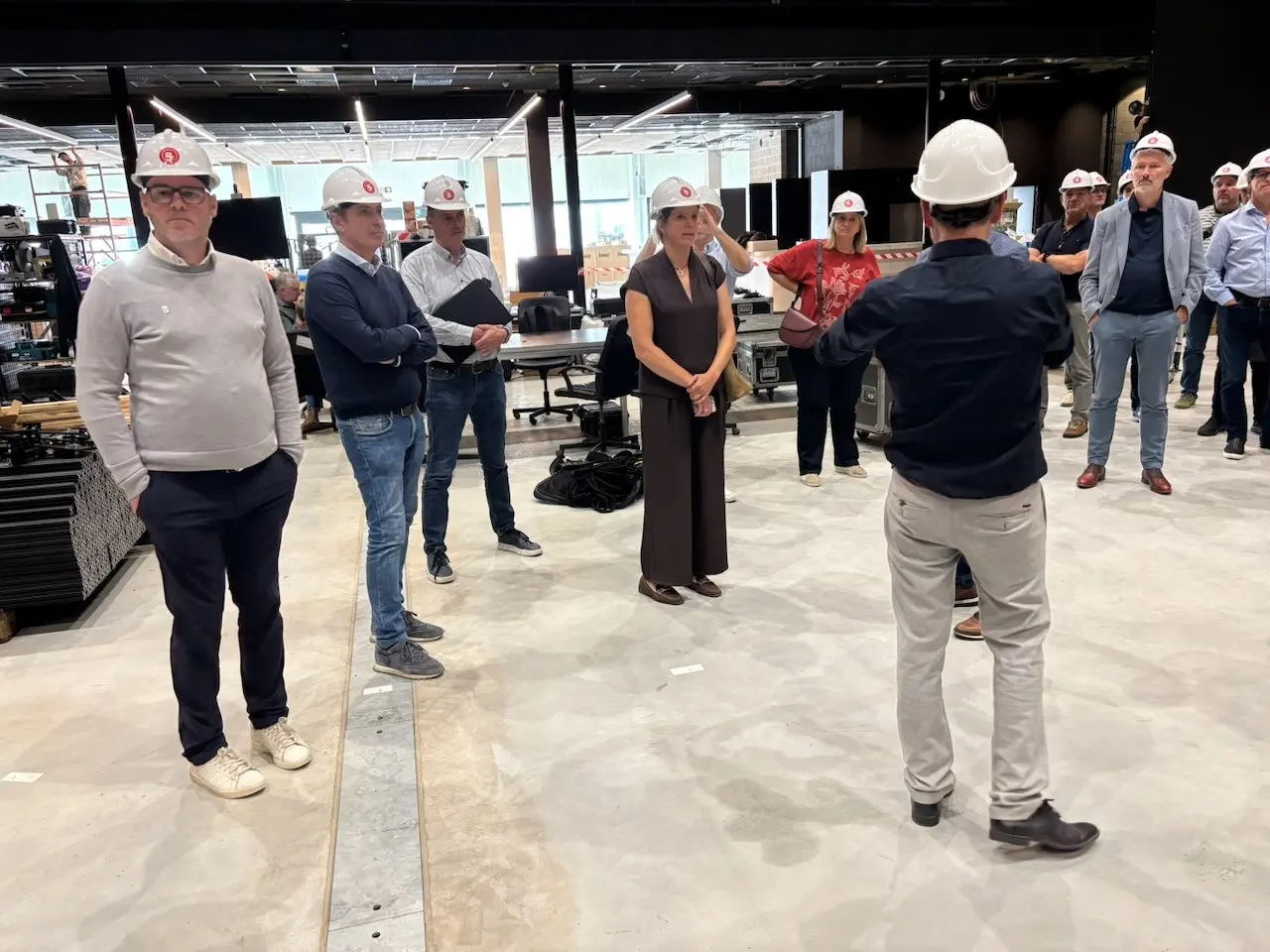
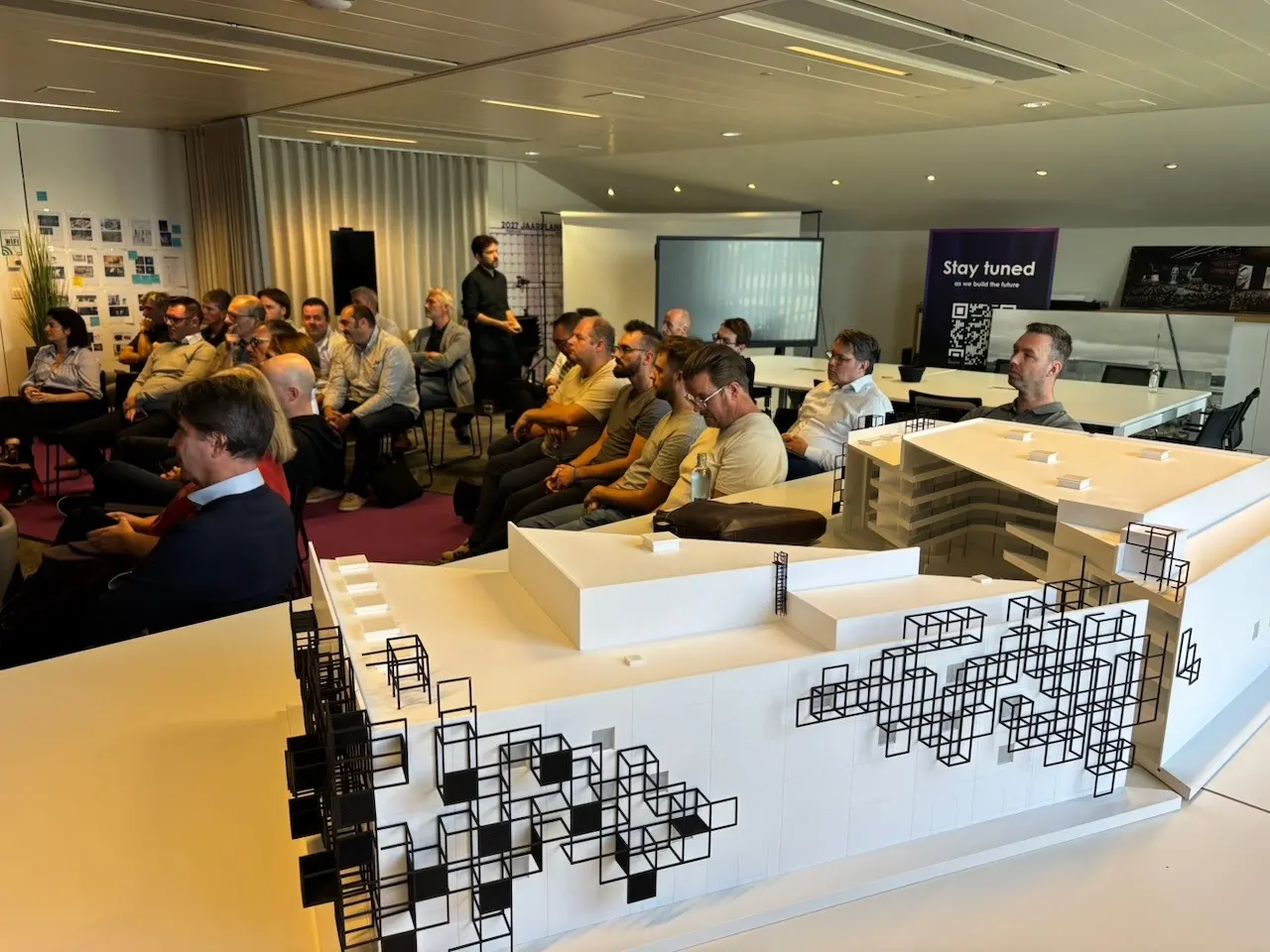
| 13.10 | Introduction of the new Arena and tour of the campus, with Raf Degens (Corda) |
| 14.10 | Proof-of-concept: the first results (project team) |
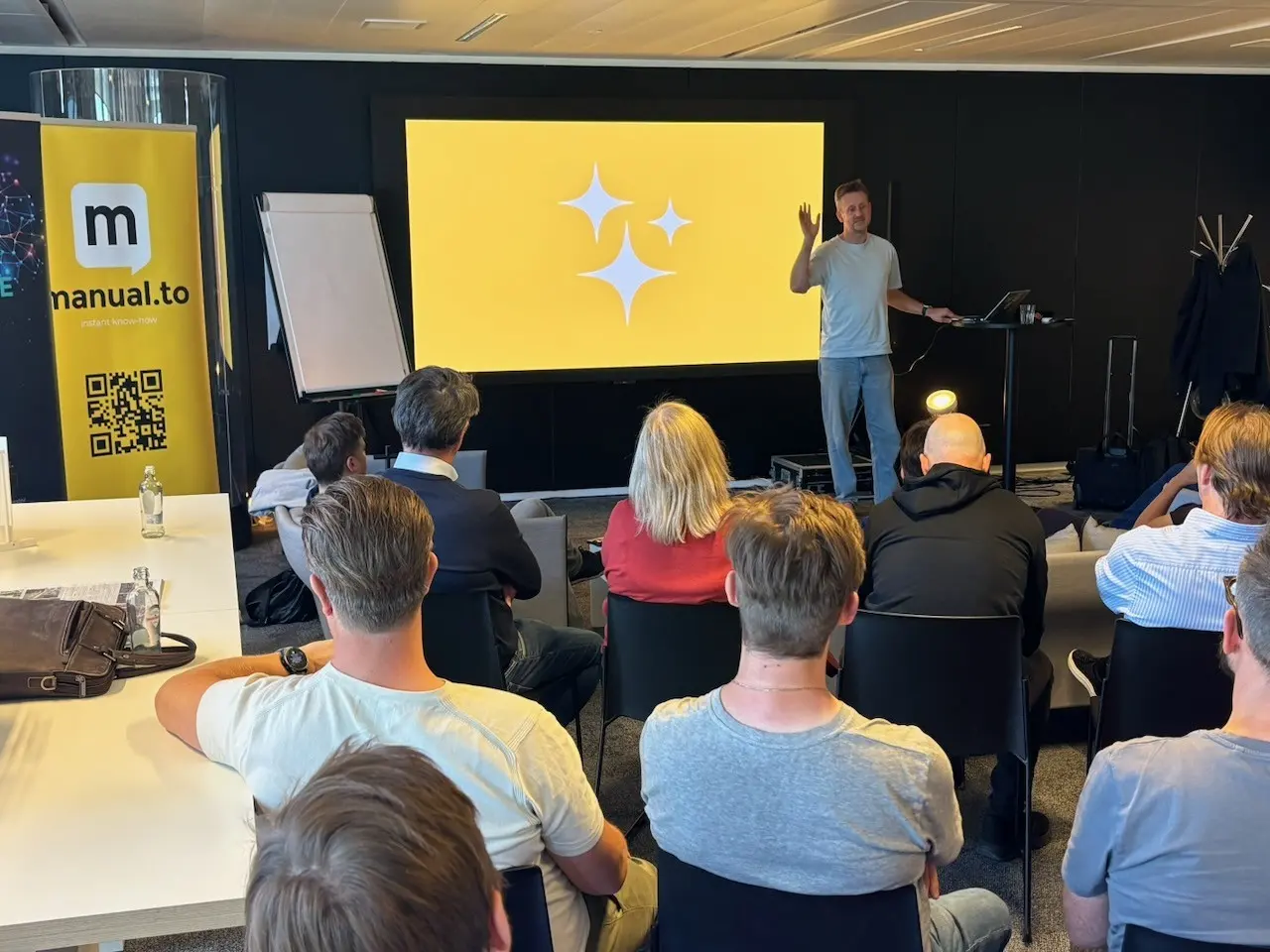
| 14.30 | Manual.to, strategic partner of VIGC |
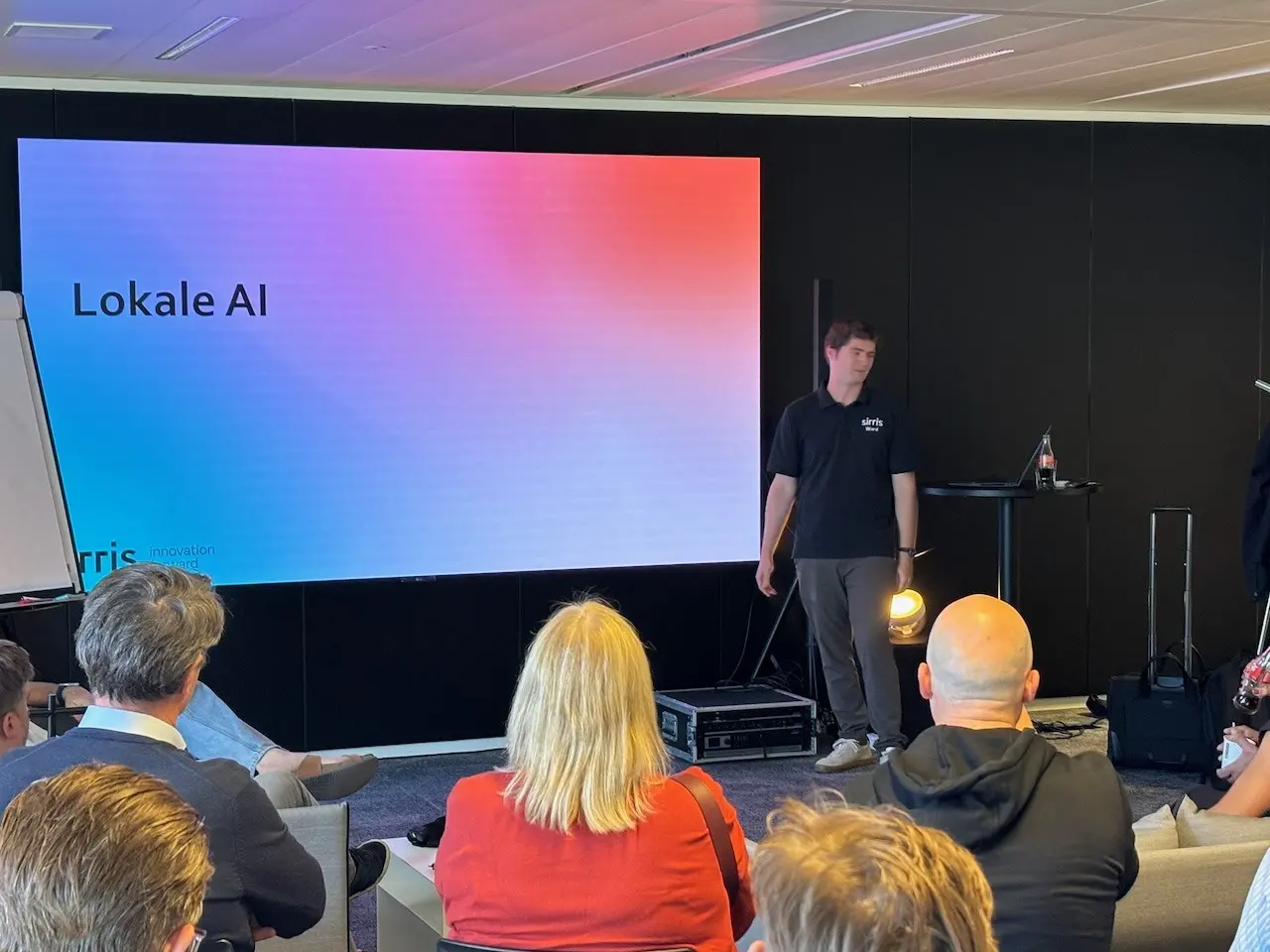
| 15.00 | Local AI: an AI server at your own company (Sirris) |
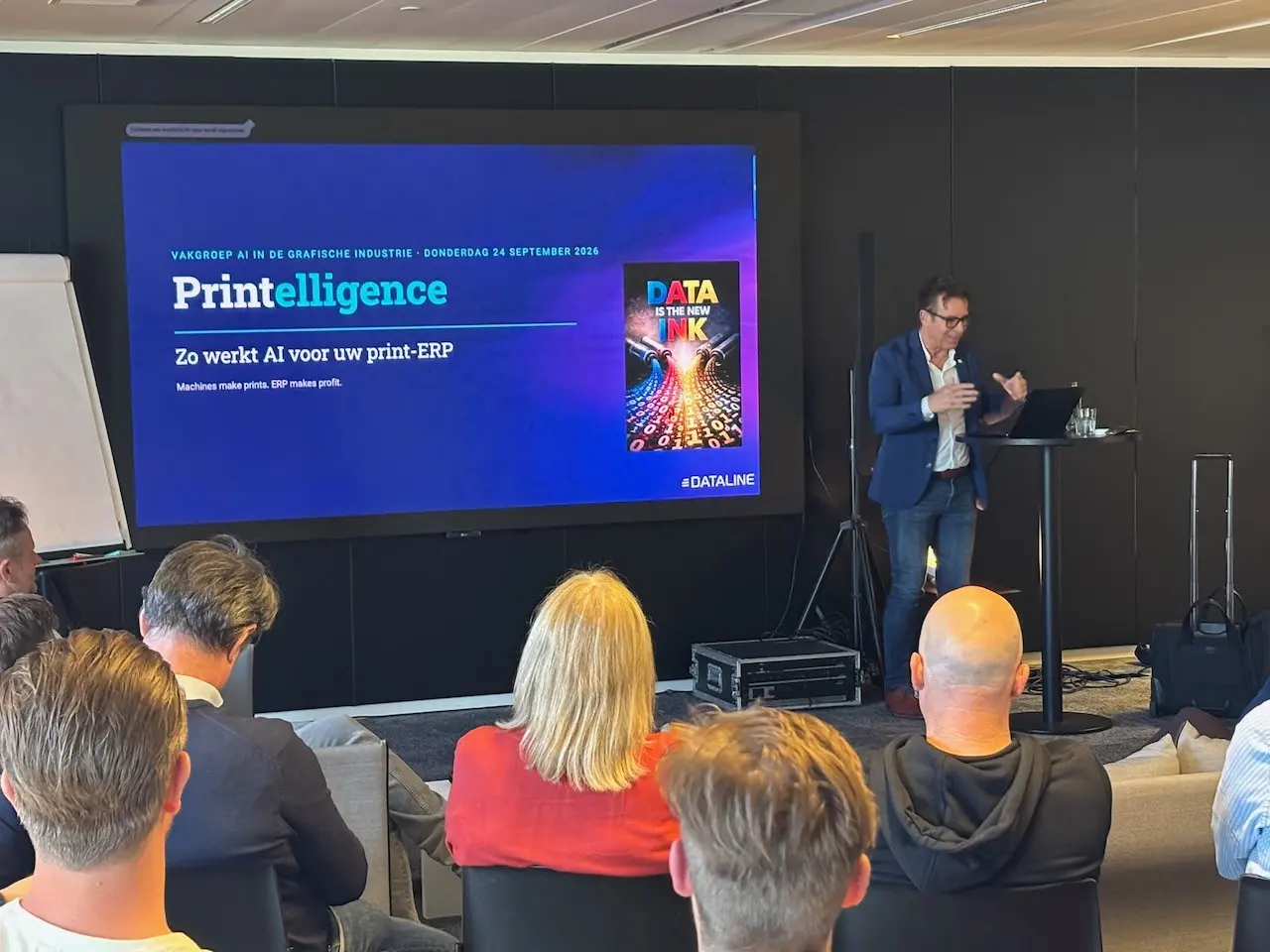
| 15.30 | Dataline, strategic partner of VIGC, with Dirk Deroo |
| 15.45 | Questions, next steps and networking |
What the project team showed
The first months went mostly into the foundation. Before AI can say anything meaningful about your production you need to know which data exists, who grants access to it and through which export or API you can query it. That sounds simple. In practice it takes a lot of consultation with the printing company and with the machine builders manroland and Heidelberg.
Talking to your production data
A shift leader asks how many web breaks there were this week, or what percentage of actual waste there is compared to the calculated waste. The AI translates that question into a calculation on the production data and shows the source alongside. The operator checks that source and judges the proposal. The question from the floor remains the starting point, not the technology.
Twenty years of experience in free text
At Drukkerij Moderna operators have typed more than a hundred thousand notes at the press since 2001. The same fault appears in very different wordings, sometimes dry and sometimes with a lot of humour. Where the machine logs a fault code, the operator describes what he sees and smells. We laid those notes next to the machine data, and the machine data never contradicted the operators.
“every single time it is warm outside”
The result is an action plan of more than fifty pages with priorities, expected return, costs and timing. These are proposals and hypotheses that the printing company still has to test itself.
Striking: in 2025 the logging stopped. Whoever reports without ever getting an answer stops after a while. A note deserves follow-up. That is perhaps the most important lesson for every printing company, with or without AI.
Local AI: your own AI server
Sirris showed what is possible today with open-weight models that you download and run yourself. There are now more than three million of them on Hugging Face, including from Europe. The largest models need one to three terabytes of memory and a budget from EUR 100,000. What runs on affordable hardware reaches roughly the level of the top models of a year ago. For many tasks on the shop floor that is more than enough.
- memoryMemory decides. How much RAM you have determines how large the model may be. How fast that memory is determines how fast it answers. A DGX Spark or a Mac Studio offers a good balance between speed, capacity and price.
- play_circleStart small. Install LM Studio, pick a small model of a few gigabytes and test on your own laptop.
- shieldHybrid working. For strategic analysis you want the smartest model, which usually runs in the cloud. Your most sensitive data you want to keep inside. A local model can anonymise that data first before it goes to the cloud.
- folder_openQuerying your own documents. With local RAG the system first finds the relevant passages in your documents and answers afterwards. Open-source tools such as Docling, RAGFlow and Dify make that feasible.
More on this in the knowledge base: Local AI: an AI server at your own company and Local RAG: querying your own documents.
The partners have their say
Two strategic partners of VIGC shared their view from practice. Manual.to works on digital work instructions and capturing craft knowledge. Dirk Deroo told the story of Dataline, the business software in which many printing companies manage their orders. It ties in with two questions that already came up in March: how do we retain knowledge and how do we connect our systems?
The presentations
Browse through the slides with the arrows left and right, or swipe sideways. Prefer paper: download the PDF.
PRINTELLIGENCE: the first six months
Local AI and local RAG
The presentations of the first steering group are with the report of March.
Impressions
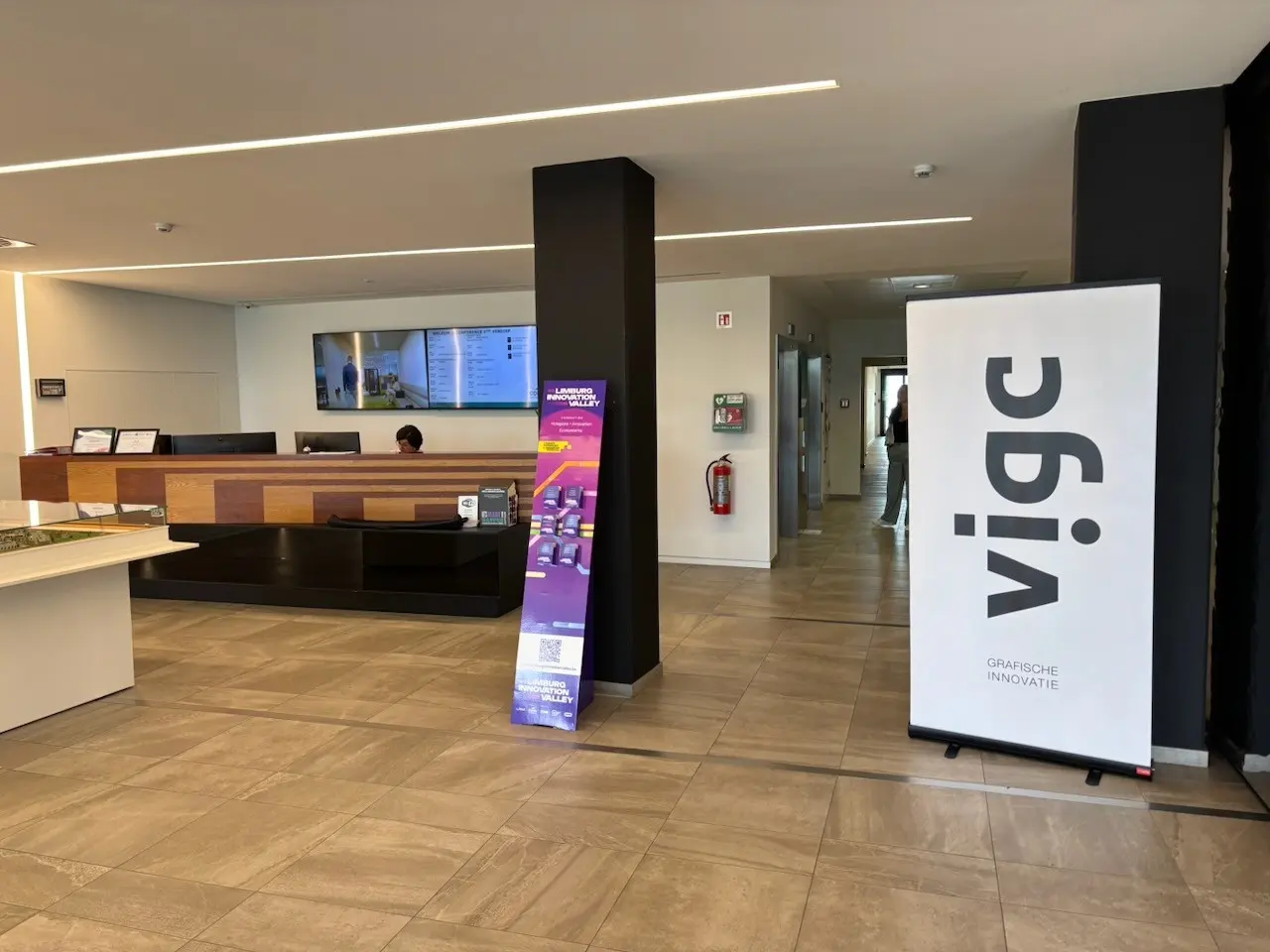
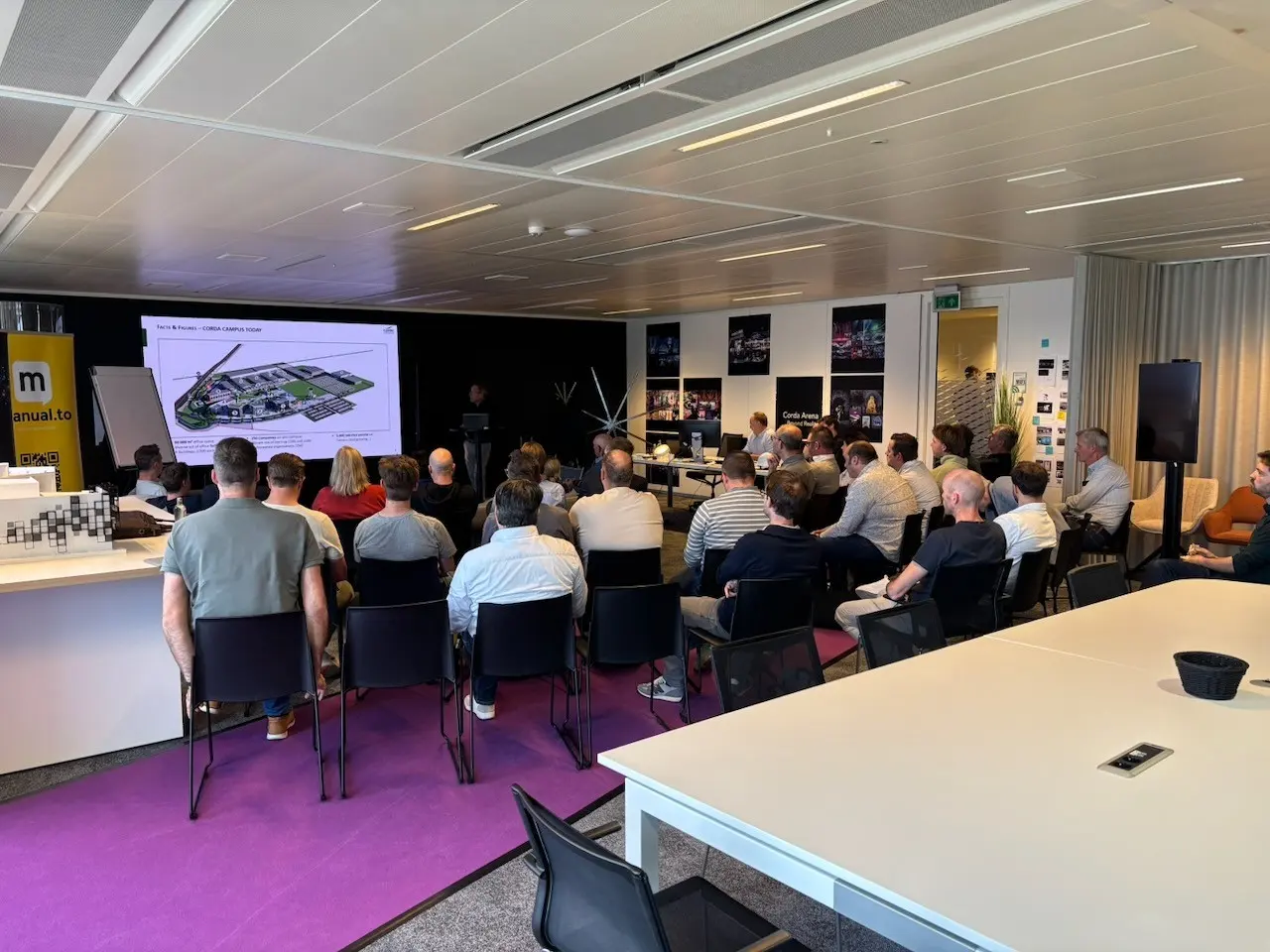
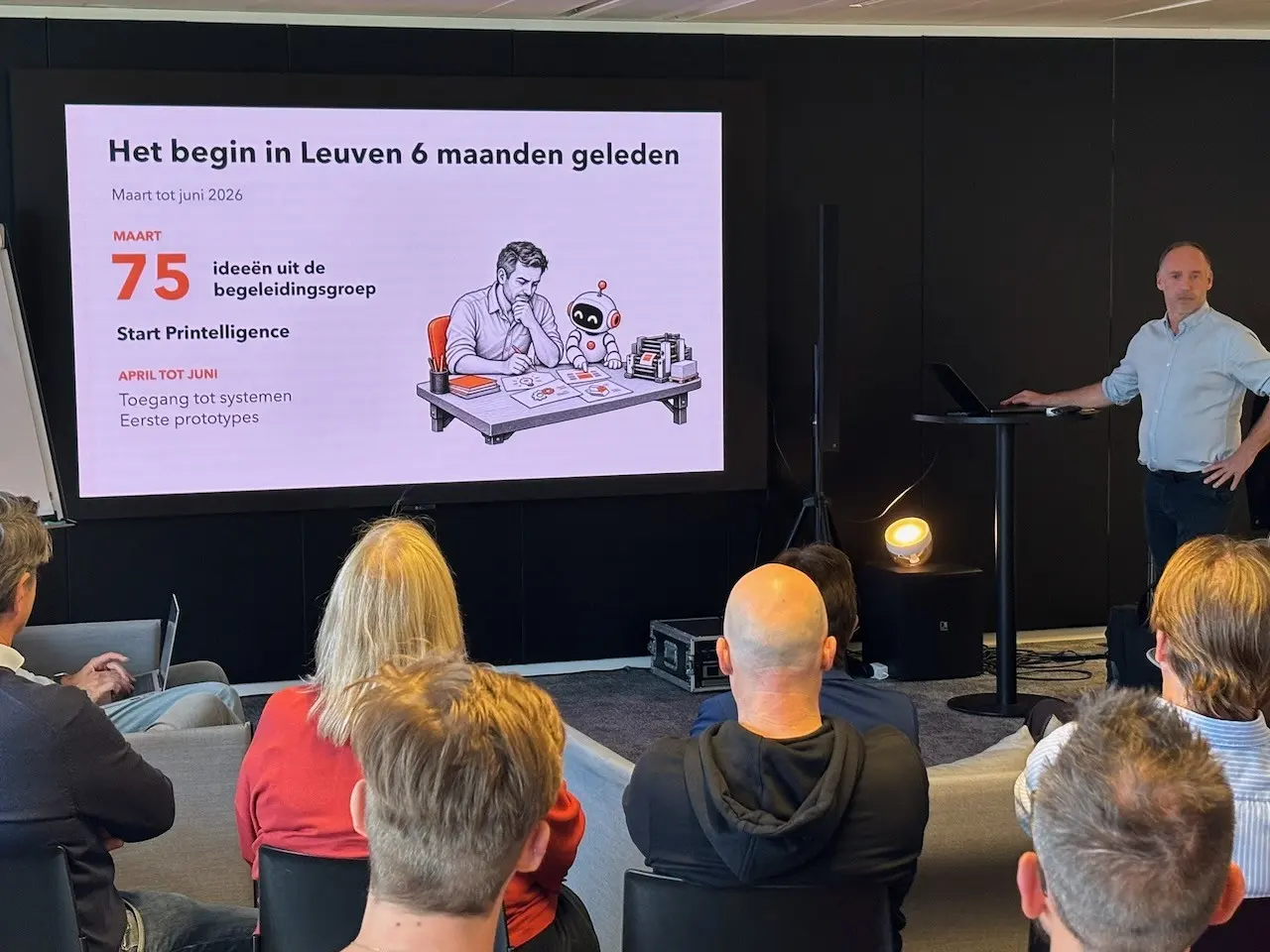
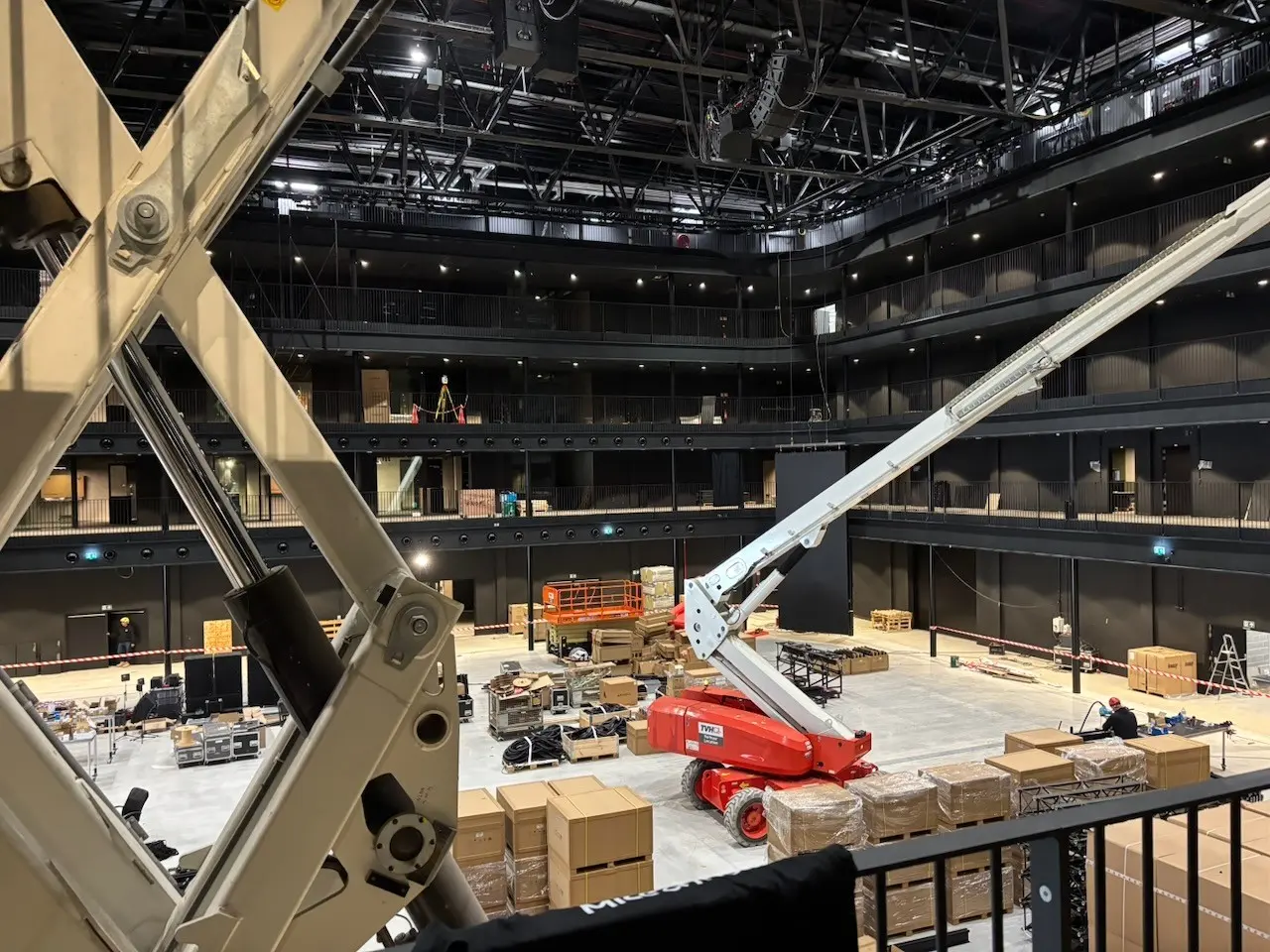
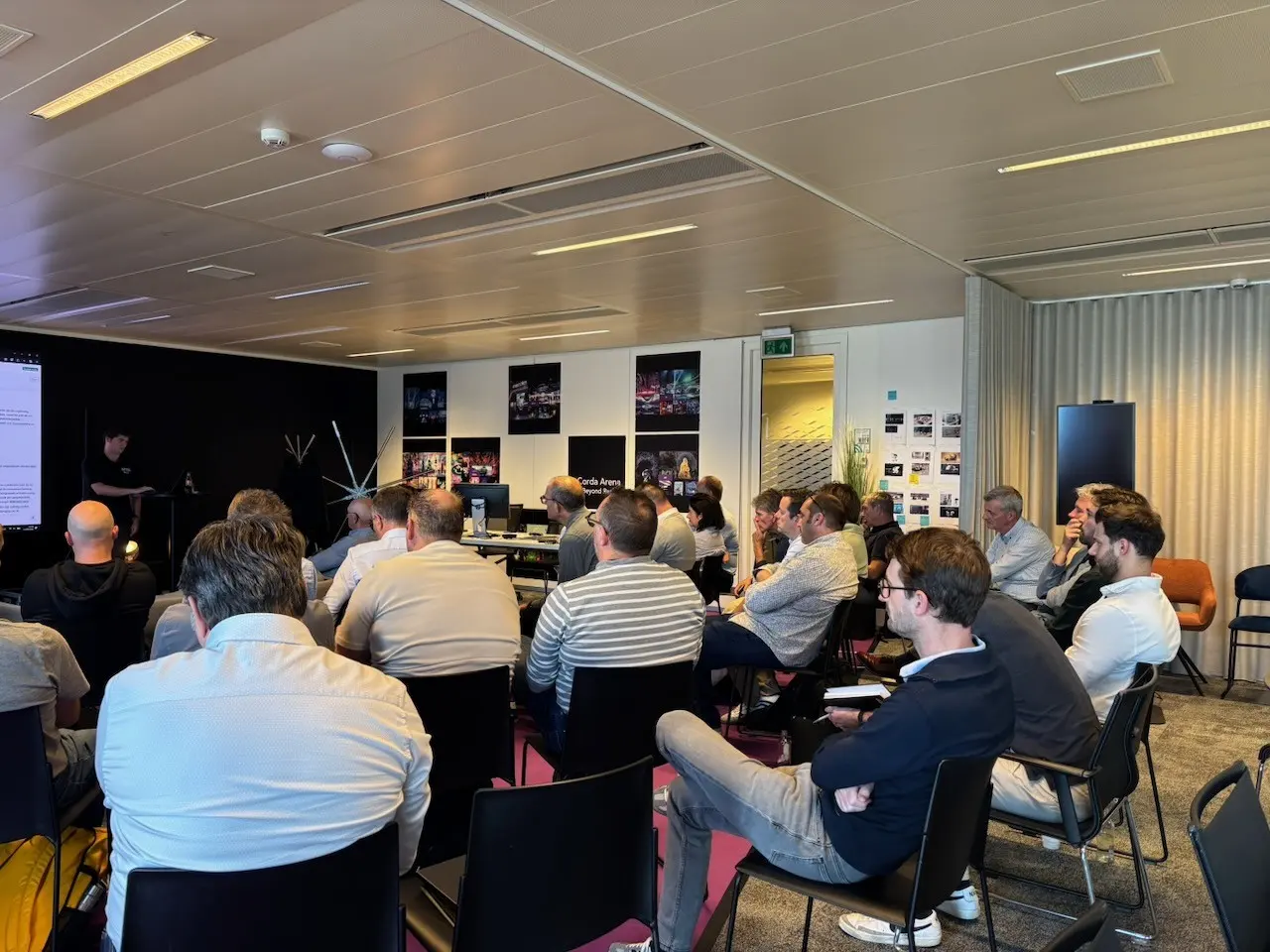
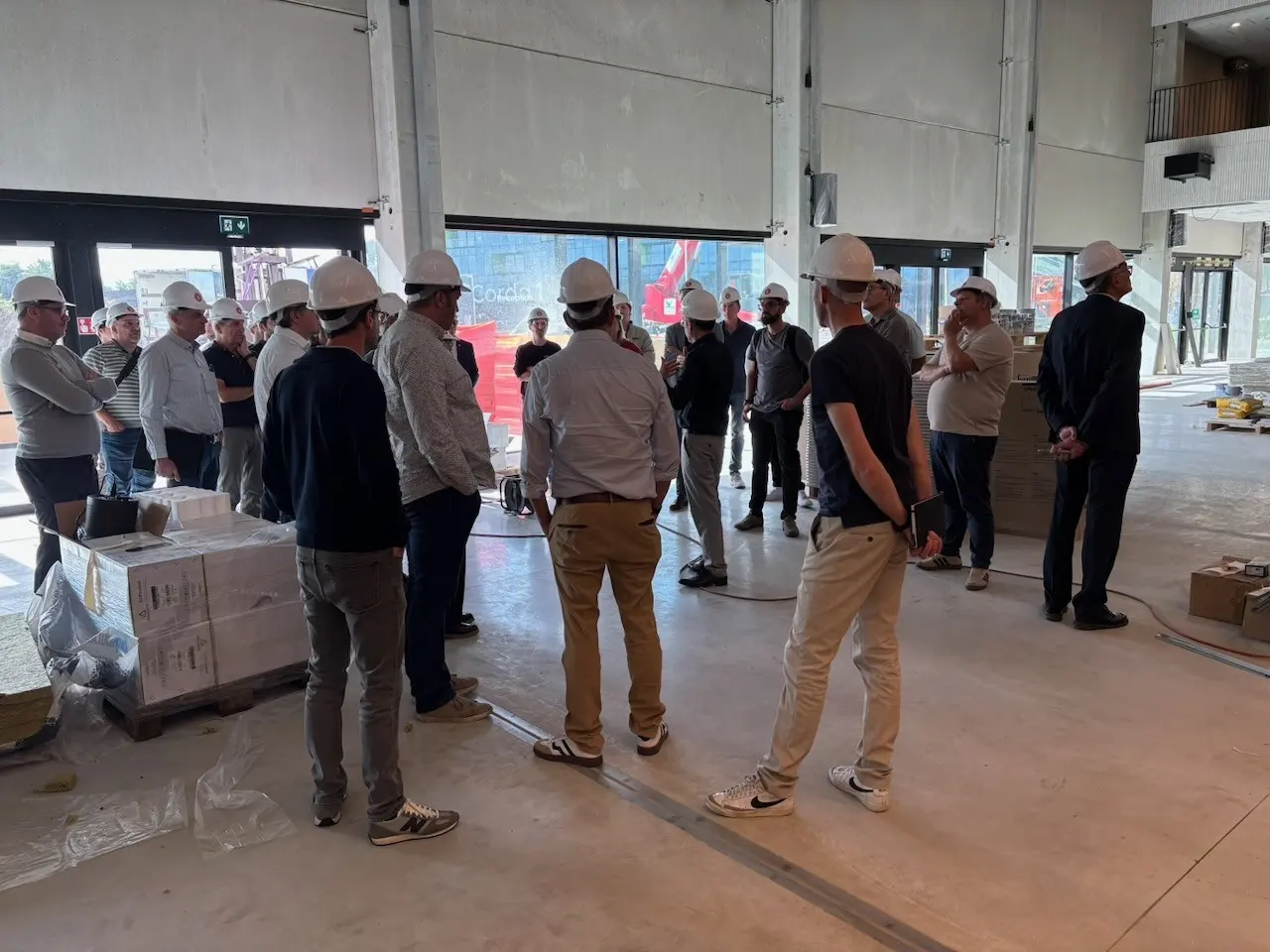
What now?
The project team proposed four possible follow-up trials. The steering group helps decide which ones get priority.
- 1Closing the feedback loop. An operator who reports something gets an answer and sees what happens with it.
- 2Set-up based on experience. Proposals for the press settings based on comparable orders.
- 3Retaining knowledge. Capturing the experience of senior operators before they retire.
- 4Linking sources. Querying the data from the ERP and the machine data together instead of each separately.
Steering group or demo and workshop?
Both, because they do different things. In the steering group you help steer: you hear where the project stands and you help decide which trials get priority. On 18 November in Genk you get to work yourself. In the morning you see the results live in action. In the afternoon you build a dashboard on your production data in a hands-on workshop.
What we ask of the steering group: share a production problem with the data sources that belong to it and give feedback on the results in a working or test session. Do you have a question from the floor or do you want an AI scan of your company? Book an advice meeting or mail info@printelligence.online. The third steering group is planned for spring 2027.